Well that’s a strange title.. but let me explain 😉
Evolution of Immunity
Evolutionary approach to studying human behavior is focused on the adaptive value of the behavior… so we are asking questions like “why has X behavior evolved and what costs and benefits it brings?” When our sensory system (vision, smell…) is faced with a disease-connoting cues (e.g. a sick person), two defensive systems get activated:
The immune system
The behavioral immune system
Mounting an immune response in the body is quite costly in terms of energy spent and it is required only after the body has contacted pathogens.. but the behavioral immune system activates our basic emotions (fear, disgust) and behaviors that prevent contact with potentially dangerous objects (in terms of transmitting disease), so saving our body precious energy needed for the actual physiological immune response 😉
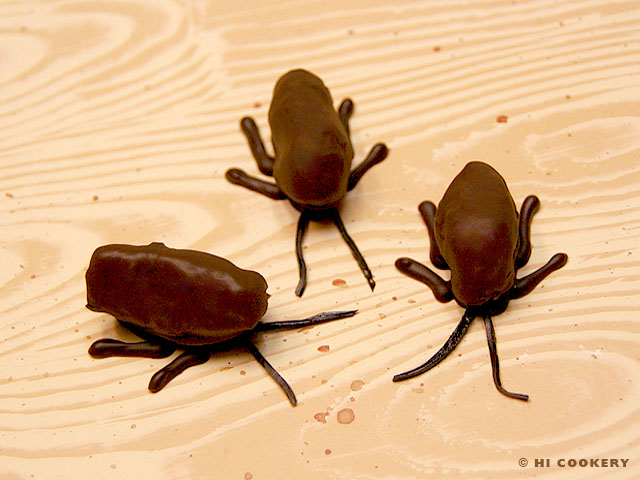
This behavioral immune system is trying to be over-careful, though, and will react not only to actual disease-reminding stimuli, but also to stimuli that resembles signs of disease (but may not logically be dangerous- like a sterilized glass that used to have a roach in it… there glass is perfectly clean but people are still disgusted when drinking from it… or a person with a disability- they’re not actually contagious).
So, first of all, what does this have to do with being a misanthrope?
Well, this emotional response to things that are dangerous to health (whether truly or only perceived..) is stronger in people who think themselves vulnerable to disease. Such people show a HIGHER level of an averse response to:
- physically disabled people (Park et al. 2003)*
- older adults (Duncan&Schaller, 2009)
- Immigrants (Faulkner etal. 2004)
- obese people (Park, Schaller & Crandall, 2007)
- some animals (Prokop et al. 2010)
Being open to new experiences and being an extrovert is associated with larger social networks (having more friends&acquaintances), but ALSO with higher risk of being infected by pathogens (the more folks you get in contact to, the more changes to catch something). Again, a stronger negative response is seen in those that perceive themselves to be more vulnerable or come from areas with high pathogenic load (=lots of diseases). So if you’re not a people person, there’s nothing particularly “abnormal” about you.. Indeed, you are quite a well-adapted fellow 😀
And second- what does this have to do with food??
Usually everything I post has something to do with health and diet.. so I need to make a connection here. Researchers hypothesized that, similarly to the behavioral avoidance of disfigured people triggered by this over-protective emotional immunity, new technologies might activate behavioral avoidance. New technology like genetic modification or highly processed foods in general.
Researchers decided to see if they can predict attitudes toward GMOs by people with different levels of pathogen sensitivity. And they did find that people who felt themselves more vulnerable to infectious diseases had significantly more negative attitudes toward GM products (Prokop et al., 2013). Of course, there are many many reasons people do not like GMOs- rational and emotional, but this is a pretty cool finding nevertheless.
So, many things about us and our personality might be an important adaptive response.. does not mean we can not override these “instincts” with some logic (e.g. knowing obese individuals are not in any way going to make you sick thus not stigmatizing them).


 Mariya V. PhD